
Mediocre Miles: I Competed In A 'Last Runner Standing' Event
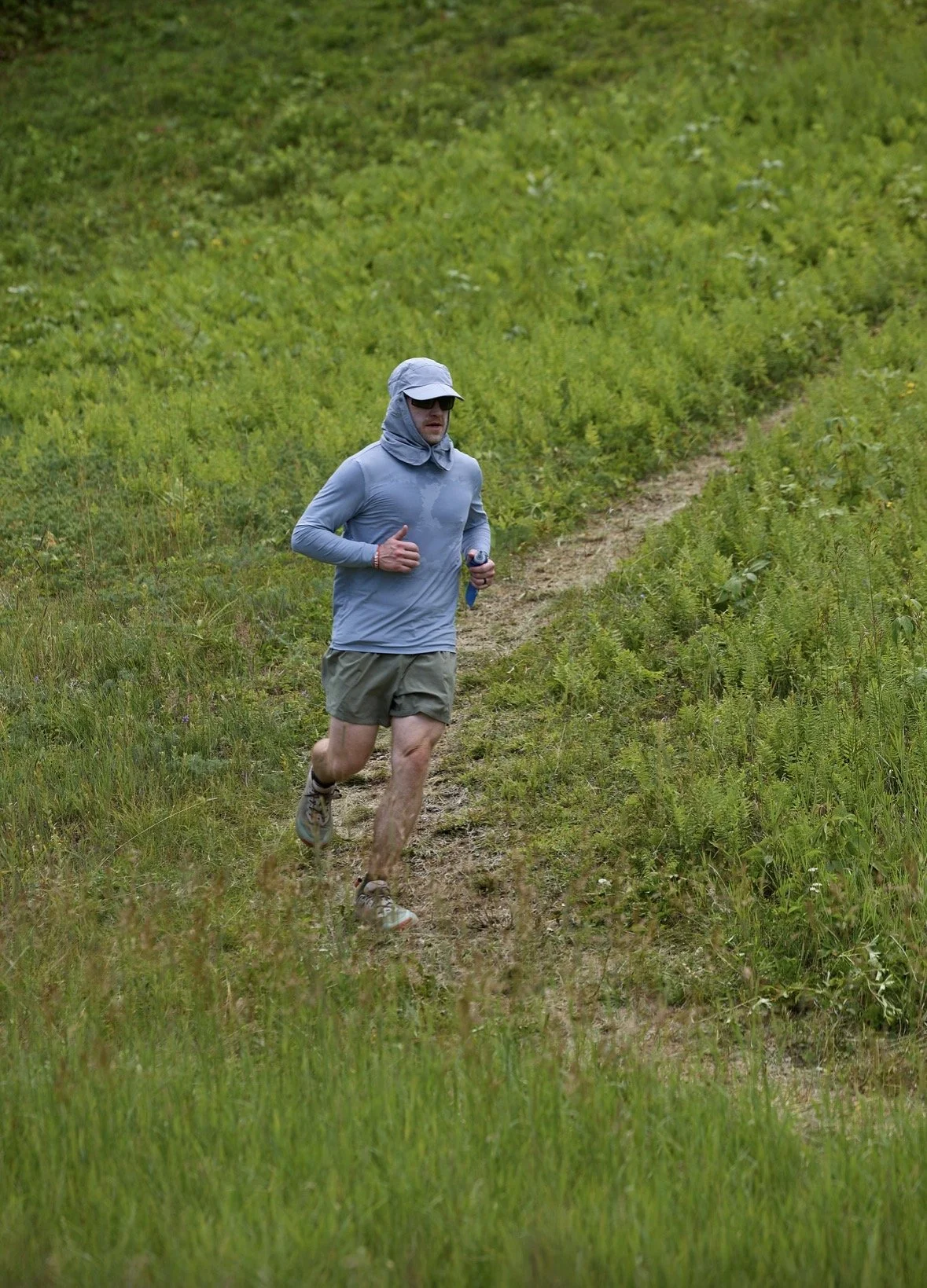
On Saturday, July 25th, I lined up for the Magnificent Bastards Last Runner Standing race.
This was my "A" race for 2026, the event that shaped my training throughout the year. Every long run, hill workout, and recovery day was planned with this race in mind, so by the time race morning arrived, I was excited to see how everything would come together.
The race absolutely lived up to the hype.
The format was deceptively simple: complete one mile every 20 minutes. The catch was that each mile included roughly 330 feet of elevation gain immediately after leaving the start, followed by another 330 feet of descent back to the finish. Calling it a "mile" almost feels misleading because there wasn't much opportunity to settle into a rhythm. Every lap was a grind. If you finished in less than 20 minutes, you earned whatever time remained to sit down, eat, drink, and prepare for the next lap. If you couldn't finish before the clock hit 20 minutes…or decided you'd had enough…your race was over. The event continued until only one runner remained and completed a lap entirely on their own.
When everything was said and done, I completed 24 laps, covering 24 miles over eight hours. That was good enough for 9th place, and while I'm proud of the result, those were some of the hardest miles I've ever run. As I'm writing this more than two weeks later, my body is still reminding me that racing uphill for eight straight hours comes with a recovery bill.
As with every race, the biggest reward wasn't the finish, t was the lessons that came with it.
The first lesson was that your training has to match the event as closely as possible. I spent months running hills, attacking descents, and learning how to maintain effort on long climbs. The problem was that this hill wasn't really runnable. It was steep enough that everyone eventually settled into a hard power hike. Looking back, I probably should have spent more weekends climbing Camel's Hump or Mount Mansfield instead of searching for runnable hills. Sometimes the best preparation isn't glamorous; it's simply rehearsing exactly what race day demands.
The second lesson was how much heat changes everything. Nearly all of my training happens before sunrise, which works great until you're standing on an exposed hillside at two o'clock in the afternoon with temperatures climbing past 90 degrees. I managed the heat well enough during the race, but I honestly believe it played a huge role in how long my recovery has taken. Heat training is real, and if your event is going to unfold under a summer sun, spending time acclimating beforehand deserves to be part of your plan.
The third lesson reinforced something I already believed: never show up to race day experimenting with nutrition. Fortunately, I had completed several 50Ks and a 50-mile ultramarathon leading into this race, so I already knew how much sodium and carbohydrate I needed each hour. I also knew exactly which foods my stomach would tolerate after six or seven hours of climbing a hill. That confidence removed one variable on race day and let me focus on the work instead of wondering whether my fueling strategy would hold together.
There are plenty of other takeaways, but those three stand above the rest. Whether you're training for your first 5K or your next 50-miler, spend time studying the course, prepare for the environmental conditions you'll actually face, and dial in your nutrition well before race day. Those details may not be the most exciting part of training, but they're often the difference between surviving an event and performing your best.
Even after eight grueling hours on that hill, I already know I'll be back next year. This time the goal isn't 24 laps. The goal is to still be climbing after 12 hours.