
Start Here If You're Worried About Your Back: The Handcuff Hinge
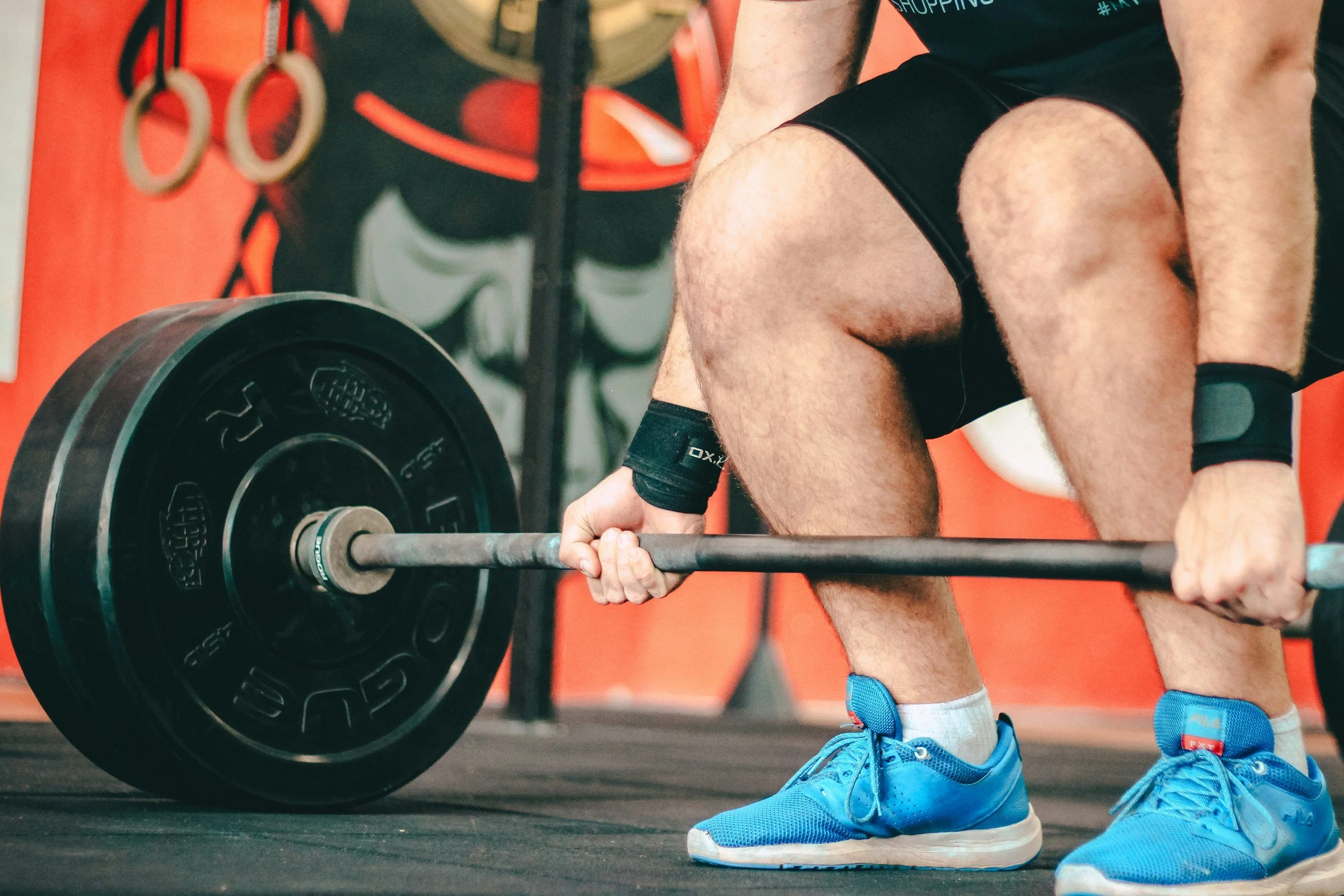
If you’re new to deadlifting — or you’ve hesitated because of past back soreness — there’s one movement you should master before you ever load a barbell: the handcuff hinge. This drill teaches you how to hinge at your hips — the fundamental pattern behind safe, strong deadlifting — while keeping your lower back protected and stable.
Why This Matters
Before you pick up heavy weight, your body needs to learn how to move the hips instead of bending the spine. In proper deadlift mechanics, most of the motion comes from the hips shifting backward while the spine stays neutral, and your hamstrings and glutes take the load — not your lower back. That’s what the hip hinge pattern is all about.
Trying to deadlift heavy without a good hinge often leads people to round their back or bend excessively at the knees, which places unwanted stress on the lumbar spine.
Meet the Handcuff Hinge
In the handcuff hinge drill you’ll see in the video, you start without traditional deadlift fear. The cue is simple:
Set a light implement (like a kettlebell) just behind your hips — almost like it’s “handcuffed” there — and reach back into it with your hips.
Push your butt back while keeping your spine neutral and your chest proud.
Feel tension in your hamstrings — that’s how you know you’re loading the right muscles.
This setup naturally guides you into a true hip hinge pattern, eliminates excessive back rounding, and builds confidence in your body’s movement strategy.
The Coaching Cues That Make It Click
Think of it as tall, tight, reach, and drive:
Tall & tight — keep a neutral spine with ribs down and shoulders stable.
Reach — move your hips back until you feel hamstring engagement.
Drive — push through your feet to return upright.
These cues reinforce hip movement over back movement, which is where safe strength comes from.
How This Sets Up Your Deadlift
Once you’re comfortable with handcuff hinges and can hinge consistently with tension in your posterior chain, everything else falls into place:
You’ll find it easier to keep the barbell close on a deadlift.
You’ll feel your glutes and hamstrings working before your lower back.
You’ll have a reproducible pattern to scale from bodyweight to kettlebell, then barbell variations — without unnecessary strain.
Whether you’re just starting out or you’re returning after time off, the handcuff hinge is the right place to start. It builds your movement foundation first, and strength second — a strategy that helps you protect your back while building confidence and power.